 nadia-rahmawati
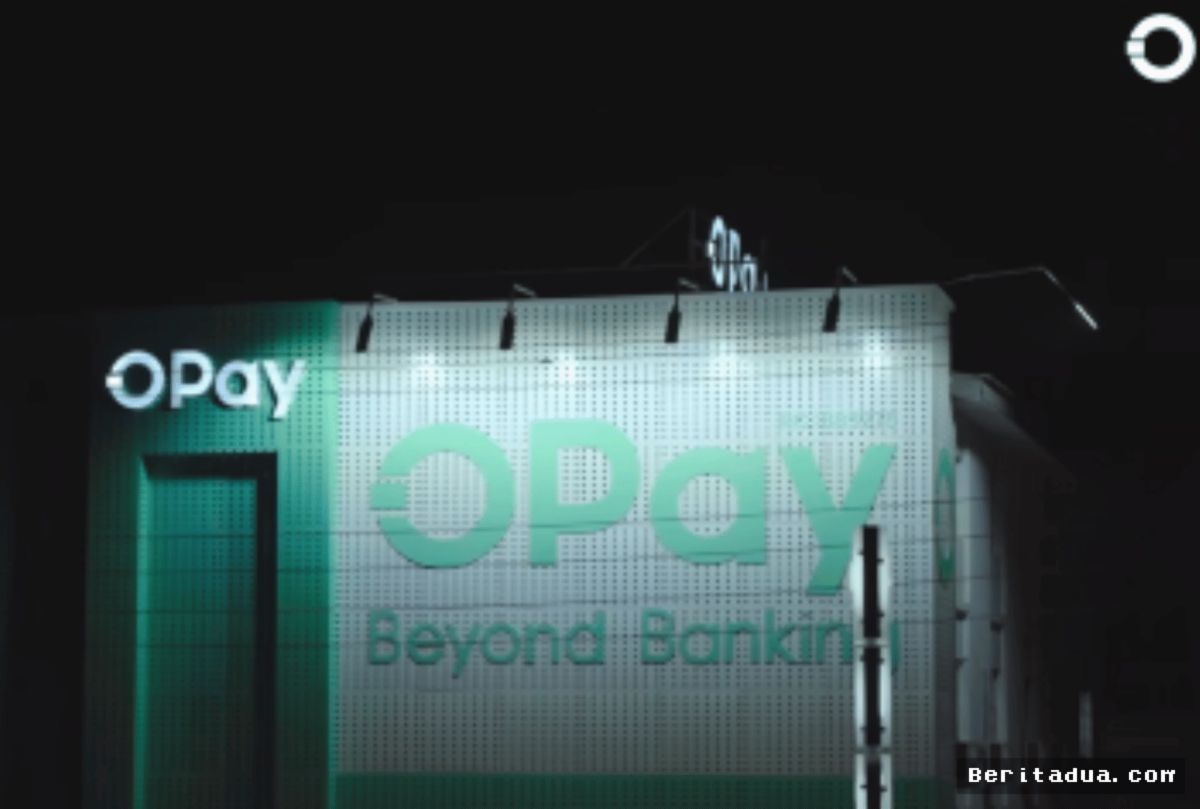
OPay Nigeria finally broke its silence regarding a claim circulating in several corners of the internet that the fintech company is replacing customers' phone numbers with standard bank account numbers. A spokesperson confirmed that the assertion is inaccurate, stressing that the company's core system still relies on the phone number as the primary identifier for every registered user.
The clarification comes at a time when digital payment adoption in Nigeria continues to accelerate, and where confusion often arises from the overlap between features offered by mobile money operators, banks, and payment service providers. A simple screenshot or a shortened message shared online is enough to fuel suspicion, especially among small traders and market women who depend heavily on daily transfers for their livelihoods.
"OPay is not replacing phone numbers with standard account numbers. Our platform continues to recognise the phone number as the main identifier for customers, and nothing about that system has changed," said an official representative of the company in a statement.
The official further hinted that the claim may have been triggered by the rollout of a specific feature that visually resembles a traditional bank account number, thereby causing misinterpretation among users who did not read the terms carefully.
My BizPayment: Fitur yang所以说 Memicu Kecurigaan
The feature in question is My BizPayment, a product designed specifically for business users. Unlike the personal wallet, which is tied directly to a phone number, My BizPayment gives merchants and registered businesses a separate account number that can be used to receive payments for commercial transactions.
- Separate identifier: the business account number exists alongside the personal phone number, not in place of it.
- Built for merchants: it is aimed at traders, service providers, and companies that need a more formal receiving channel.
- Optional, not automatic: a customer must deliberately activate the feature; ordinary personal users are never migrated to it without consent.
- Better record-keeping: incoming payments through this channel are tagged as business income, helping owners separate turnover from household spending.
Why the Phone Number Still Matters
Under the framework of Nigeria's cashless policy, the phone number functions as a unique identifier that links a customer to a verified account. It is the anchor for Know Your Customer (KYC) checks, dispute resolution, and instant alerts. Removing it would break not only convenience but also the regulatory chain that allows operators to trace and reverse fraudulent transactions.
Industry observers note that the phone number remains far more accessible than a conventional account number for a large segment of the population, many of whom have never held a formal bank account. As long as that reality holds, payment platforms that depend on the number for onboarding and verification have little incentive — and little room — to abandon it.
What Users Should Actually Verify
The confusion surrounding this issue highlights a broader problem: the speed at which information spreads in the Nigerian fintech space, compared to the speed of official responses. When a message appears to be a bank alert, a typical customer may not know whether it originates from a mobile money operator, a commercial bank, or a business wallet feature.
Experts advise users to take a few simple precautions before reacting to any claim about changes to their account:
- Confirm messages by reading the full text, not just the sender name displayed at the top.
- Check the official app, help centre, or verified social media account of the provider.
- Never share PINs, OTPs, or BVN details with anyone, including people claiming to be customer service staff.
- Report suspicious transfers immediately through the provider's fraud channel.
Implications for Small Businesses
For the millions of Nigerians who use digital payments to run roadside businesses, the practical takeaway is reassuring: nothing is being taken away. Features such as My BizPayment are layered on top of an existing system, offering an additional way to receive money while the personal number remains fully functional.
Yet the episode is a timely reminder that clarity in product communication is part of consumer protection. A single unverified post can trigger panic, customer service overloads, and reputational damage for a company that has done nothing wrong. For now, however, the position remains firm: OPay's phone-number-based identification system is intact, and the business account number is merely an option, not a replacement.











Comments (0)