 lukman-hakim

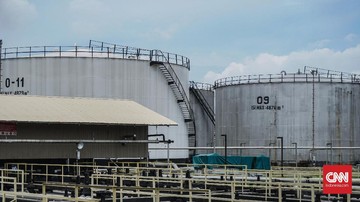
Kementerian Energi dan Sumber Daya Mineral (ESDM) assures that the national stock of BBM (bahan bakar minyak) subsidised is in a safe condition, with coverage reaching 18 to 20 days of consumption. The assurance came amid disruptions to distribution channels caused by the El Nino phenomenon, which is a cyclical warming of the Pacific Ocean that alters rainfall patterns and triggers drought in many regions, including parts of Indonesia.
In practice, the 18-20 day range is a buffer inventory figure owned by Pertamina as the sole marketer of subsidised fuel. When the buffer is in that range, the stock is considered normal and sufficient for the government, which under the 2023–2025 Energy Minister Regulation (Permen ESDM) sets the subsidised fuel price ceiling (HET). The higher end of the range, 20 days, reflects an effort to absorb delays in logistics and weather-related disruptions at sea and in distribution to regions such as eastern Indonesia, where islands rely on water transport.
Why the Stock Range Matters for the Household Economy
Based on the fundamentals of supply and demand, a buffer stock of 18-20 days is the minimum threshold for keeping distribution smooth. When stocks fall below 10 days, scarcity tends to push regional prices above the HET ceiling, trigger buying panics, and disrupt industrial activity. Conversely, a stock that is too high carries its own costs: storage, financing, and the risk of a decline in selling prices if the market price falls below the subsidised price.
For households, the stability of subsidised fuel prices has a direct effect on the cost of mobility, fishing, and small-scale transport. Stable fuel prices mean transport costs are more predictable, so inflation in the transportation sector tends to be contained. This is a key point, because the subsidised fuel price is one of the components with the largest weight in the calculation of the cost of living.
Two Sides of Holding Prices Stable
Di satu sisi, keeping subsidised fuel prices stable is an inflation-control tool. Bank Indonesia's inflation target range is set at 1-3 percent. Because fuel has a large weight in the consumer basket, any surge in subsidised fuel prices would immediately push the inflation rate up. The government's stance is that holding prices unchanged is a form of fiscal policy that protects purchasing power and keeps inflation within the central bank's target range.
Di sisi lain, holding the price stable while distribution is disrupted by El Nino creates a widening gap between the subsidised price and the actual market price. The bigger the gap, the larger the budget burden, because the government must cover the difference between the selling price at the pump and the market reference price through fuel subsidy allocations (APBN). In times of rising world oil prices or a weakening rupiah, that gap widens and the fiscal cost increases. This is the core of the pro-kontra debate: inflation control versus fiscal sustainability.
A buffer stock that is too low disrupts distribution; one that is too high adds to the burden of storage and financing costs, and introduces the risk of a decline in selling prices if the market price falls below the subsidised price.
Sector Impact and the Projections That Follow
For the business world, the stability of subsidised fuel is a key variable in production cost projections. The mining, plantation, shipping, and fishing sectors are highly fuel-dependent. Sentimen pasar (market sentiment) tends to calm when prices are held steady, because companies can plan budgets and logistics with more certainty. Investment in downstream processing is also easier to project when the energy cost basis is not erratic.
However, there is a risk that needs watching. If the El Nino-induced distribution disruption lasts longer, the 18-20 day buffer can shrink. The projections will depend on how quickly distribution returns to normal and how the supply plan is adjusted. Analysts also note that if the gap between the subsidised price and the market price is sustained for long, there will be pressure for a policy change, whether in the form of a price adjustment, a review of the subsidy scheme, or a reform of the distribution mechanism toward a more market-based scheme.
In the capital market, the issue is also closely watched by investors through fuel-related stocks and consumer goods companies. The ratio of energy costs to total operating costs determines how much margin a company retains when fuel prices are stable. OJK and Bank Indonesia will continue to monitor this sector, particularly the transmission of fuel prices to non-energy inflation.
What Needs Monitoring Next
Several indicators deserve attention. First, the movement of the buffer stock range: whether it remains in the 18-20 day band or begins to approach the lower limit. Second, the performance of fuel subsidy allocations in the state budget: whether allocations are sufficient to cover the widening gap. Third, the intensity of El Nino and its impact on sea transport routes and inter-island logistics. Fourth, the inflation trajectory in the transportation and processing sectors as a leading indicator of whether price stability is truly holding.
In short, the government's assurance that stocks are safe for 18-20 days signals a fundamental condition that is still under control. But that condition does not exist in a vacuum. It is maintained through a combination of buffer management, subsidy budget discipline, and monitoring of climate-driven disruptions. In an economic environment where the gap between subsidised and market prices is the main source of fiscal pressure, the balance between price stability and fiscal sustainability will remain the central debate.










Comments (0)