 nadia-rahmawati

Berdasarkan data Bank Indonesia dan BPS per akhir 2025,biusaha preprocess tabular membinguungkan,, hingga indikator makro.Pointer: Among the two trends that dominated the Indonesian financial landscape in 2025, the rise of rupiah volatility and the narrowing of local deposit yields, an unexpected third trend has quietly emerged: insurance companies are stepping up their marketing of protection products denominated in foreign currencies. One variant that has attracted quite a lot of attention in the market is the PAYDI scheme, which combines a protection component with an investment component, and is now being offered in currencies other than rupiah, including the Singapore dollar.
Dorongan dari Sisi Makro
To understand why insurers are moving in this direction, one has to look at the interest rate landscape. The rupiah deposit rate offered by commercial banks has been trending down, sitting in the range of roughly 2 to 4 percent per annum for retail term deposits in rupiah, while policy rates set by Bank Indonesia have been moving in steps between 5.00 and 6.00 percent through2025. The result is a structural squeeze: the cost of funds for insurance companies rises alongside the cost of guarantees, while the returns they can promise in rupiah continue to shrink.
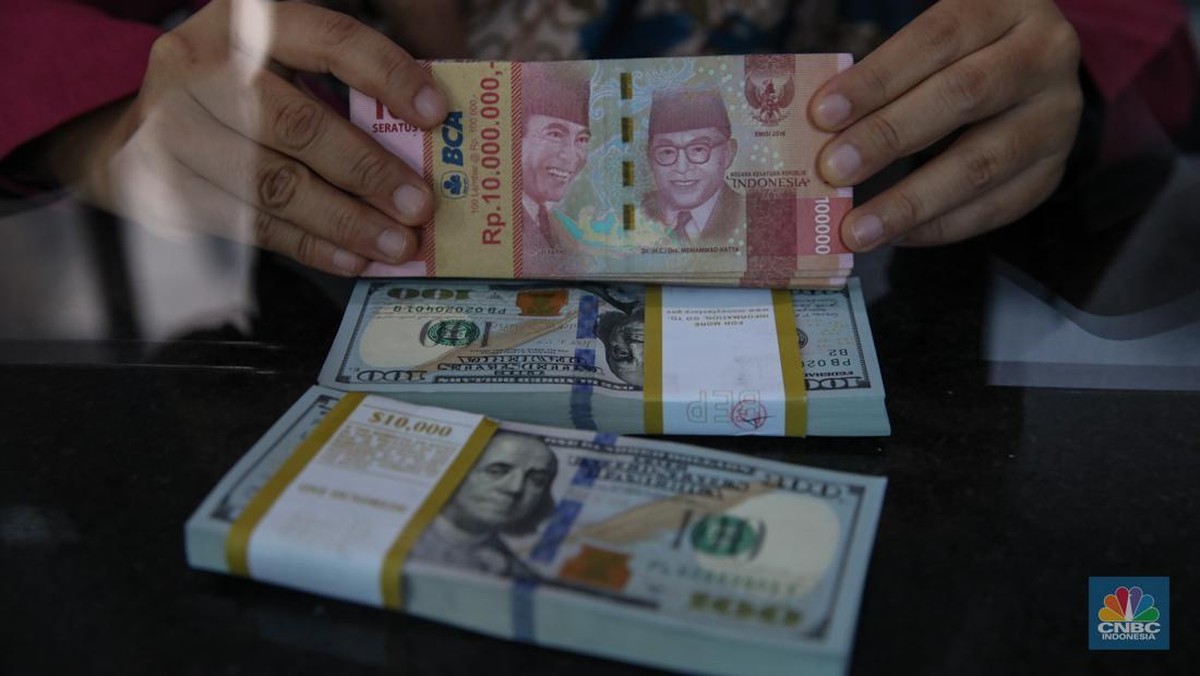
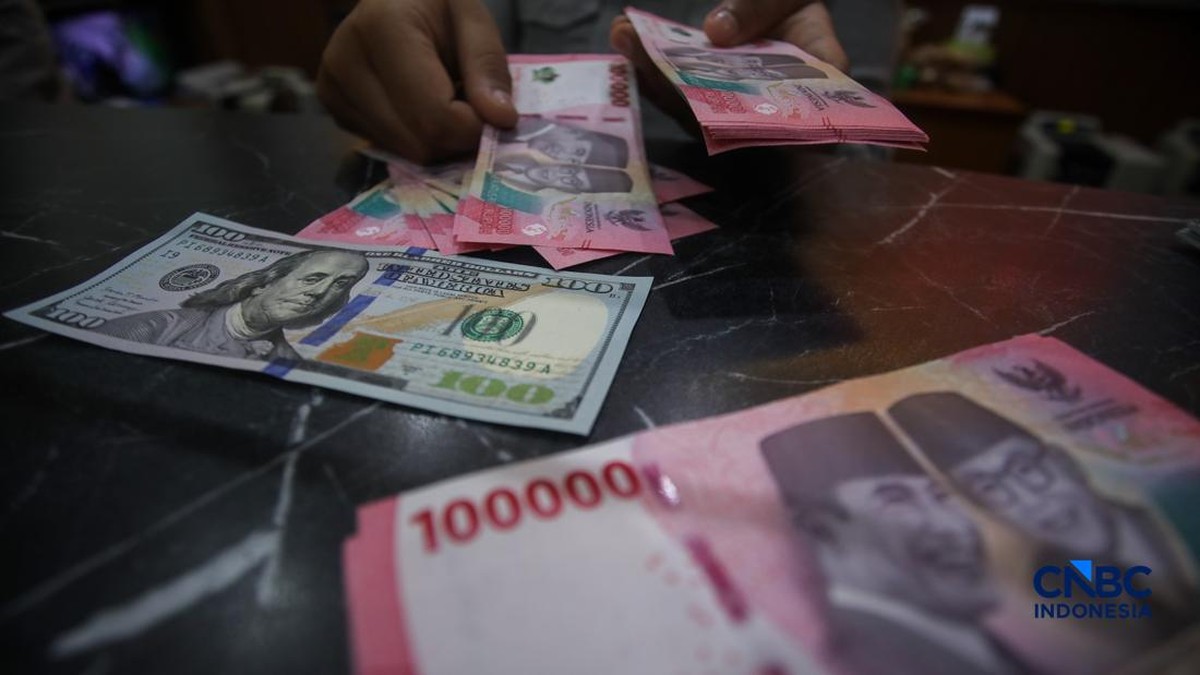
On the other hand, the foreign currency picture is far more attractive on paper. A dollar-denominated or Singapore dollar-denominated fund earns a spread, and for a customer with income in dollars or Singapore dollars, the currency mismatch risk is nearly zero. Ever since the rupiah depreciated against the US dollar, with the exchange rate moving from the15,500 to 16,500 range, investors have also become more familiar with hedging and hedging tools, so the education cost for foreign currency products is much lower than it was a decade ago. This combination — low domestic yields plus much higher global yields — explains the aggressiveness of insurers in expanding this segment.
Dari Mana ProdukNzsc origination
Market participants point to a product line that has become a kind of flagship for this movement. GREAT Investlink Protection, for instance, is being positioned as the main option, absorbing a fairly significant portion of premium inflows within this category. Structurally, the product works like a single-premium investment-linked protection: the customer pays a lump sum premium in foreign currency, receives a guaranteed benefit component tied to the end of the payment period, and the remainder is directed into an investment vehicle.
The appeal to the sales force is easy to grasp. Insurance agents can offer a single product that addresses two needs at once — protection and investment — while the customer avoids the hassle of having to split the money between an insurance policy and a separate investment. For insurance companies, single-premium products are structurally more efficient, because administrative costs per rupiah of premium are lower than for regular-premium policies. This is why the product format is being replicated across the industry, with some insurers even experimenting with variants tied to specific tenors.
Pro: Potensi Return dan Diversifikasi
The strongest argument in favor of this trend is straightforward arithmetic. Global government bond yields and dollar time deposits generally sit several percentage points above what a customer can obtain from rupiah deposits. If global dollar deposits yield around 3.5 to 5 percent per annum, and rupiah deposits pay only 2 to 4 percent, the spread alone can add one to three percentage points per year before considering any currency effect. For long-term investors with a horizon of ten years or more, this differential is not trivial — it can compound into a difference of more than 20 to 30 percent of total capital over a full cycle.
The second benefit is diversification. Rupiah itself has a history of depreciating over the long term, so holding assets in foreign currency is a form of protection against domestic monetary loosening. A customer who allocates a portion of the portfolio in dollars or Singapore dollars effectively reduces the risk of a sharp rupiah correction, whether caused by a widening current account deficit or a sudden reversal of capital flows.
From an asset allocation perspective, this is rational. The question is not whether the strategy makes sense in theory, but whether the pricing offered makes sense in practice.
Kontra: Risiko yang Sering Terlewat
The counterargument lies in what most customers underestimate. First, there is the fee structure. Insurance products are not the same as plain deposits. Management fees, product charges, and commissions to agents can absorb1 to 3 percent per year, and in some cases a portion of the investment return is shared with the insurer through a distribution mechanism. If the fee takes 2 percent while the spread only gives 1.5 percent, the customer actually loses compared to simply holding a dollar deposit at a bank.
Second, liquidity. Insurance products have contractual terms. If the customer cancels before the agreed period, the return can be far below the total premiums paid. In a low-yield environment like today, this is extremely important, because the opportunity cost of being locked in is much larger when domestic dollar deposits pay almost nothing.
Third, currency risk does not disappear — it simply shifts. If the dollar-denominated product is bought by someone whose expenses are entirely in rupiah, then a rupiah that happens to strengthen will erase the gains from the foreign currency yield. The hedge only works perfectly if the liabilities are matched to the assets. The customer must also read carefully how the guaranteed benefit is calculated, and whether the guarantee applies to the number of units or to the rupiah value.
Implikasi bagi Investor
So far, the trend appears to be a response to customer demand rather than the result of one company trying to break into a market. Nonetheless, this segment still sits in a relatively early stage, and regulators are paying more attention to the disclosure of fees and the risks of single-premium products. Investors and prospective customers should note several things. First, always compare the net return after all fees, not the headline yield. Second, make sure the currency matches the currency of future expenses. Third, be cautious about the allocation ratio — a product that puts 80 percent of the premium into a risk asset is a very different thing from a protection product with a high guaranteed component.
There is no need to take an extreme position. Foreign currency insurance products are not a substitute for emergency funds, and they are not suitable for short-term horizons. But as an instrument for long-term investors seeking diversification and yield above the domestic rate, they deserve to be studied carefully — as a portfolio component, not as a shortcut. The key is to read the fine print, and to recognize that a higher headline return is always accompanied by a longer lock-up period and a more complex risk profile.









Comments (0)