 yudi-kurniawan
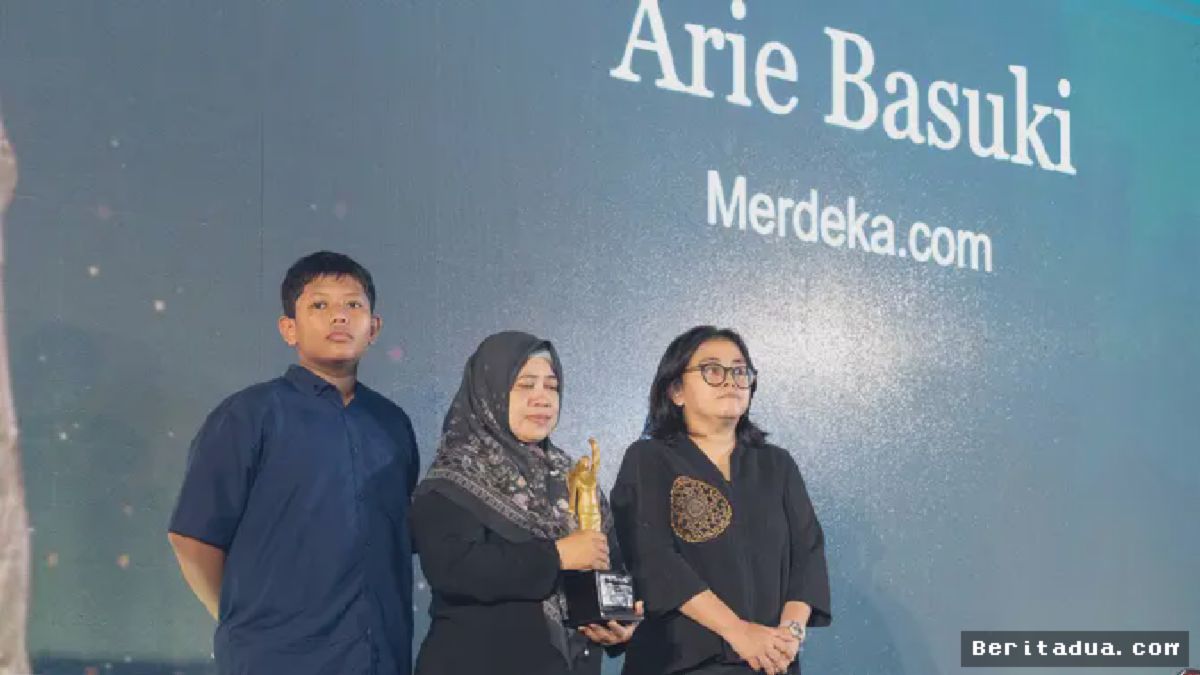
isarCRI news — Gree journalist of the photo desk, Arie Basuki,_featured the Agrarian Reform Media Awards (ARMA) 2026 at the GOR IPSI, Taman Mini Indonesia Indah (TMII), Jakarta, on Thursday (24/9/2026). The award was handed over on behalf of the field coverage team, marking public recognition of a series of photographs documenting conflicts over customary forests (hutan adat) in Papua.
The win confirms that the agrarian reform conflict — one of the most structurally complex issues in Indonesia — is now entering the public sphere not only through court decisions and policy documents, but also through visual documentation. Arie Basuki, who has worked as a photo editor for the Merdeka.com newsroom, emphasized that the award arrived for a body of work rather than a single frame.
"The struggle of customary forest communities is often resolved in rooms no one gets to see. Photography is one of the few tools that can bring the courtroom, the company, and the village into the same frame."
ARMA itself is organized as a media award category concerning agrarian reform. The awarding night was held at the Gelora Indonesia Sports Hall (GOR IPSI) in the TMII area, South Jakarta, with documentation carried out by KLY/Budy Santoso.
Kronologi Malam Penghargaan ARMA 2026
- Preparation and submission stage: Arie Basuki compiles a series of photographs on customary forest conflicts in Papua, including field documentation of customary land claims, land conversion, and the social impacts faced by indigenous communities.
- Judging stage: The works enter the ARMA 2026 jury assessment, covering editorial relevance, technical quality of field documentation, and the depth of human-side exploration of agrarian reform issues.
- Announcement stage: The committee announces the winning work, and Arie Basuki is listed as the recipient representing the coverage team.
- awarding night — Thursday, 24 September 2026: The award is presented at GOR IPSI, Taman Mini Indonesia Indah, Jakarta. Arie Basuki receives the trophy on behalf of the coverage team. The event is documented by KLY/Budy Santoso.
Why the Winning Documentation Matters
- Visual evidence of structural conflict. The customary forest issue in Papua rarely involves simple two-sided disputes. It typically involves a chain of interests: customary rights holders, local governments, concession and plantation companies, as well as central and regional agencies.
- Long-term field documentation. The awarded body of work is a compilation of series, not a single spontaneous shot — showing consistent presence in the field.
- Editorially relevant issue. Agrarian reform sits at the intersection of food security, investment, and indigenous rights, making it a recurring theme in public-interest journalism.
- Recognition of photo desk work. The award places a photo editor in a category often dominated by text-based coverage, underscoring that visual documentation is an inseparable part of investigative reporting.
Challenges of Covering Papua's Forests
Coverage in Papua's customary forest areas is known to require substantial preparation, from permits and security planning to inter-island logistics. Access to shooting locations is often limited, and the situation on the ground can change between one visit and the next. Against these constraints, the ARMA 2026 award is positioned as recognition not only of technical quality, but also of persistence.
"An agrarian award means the subject is not considered finished. Agrarian reform is a long-process story, and documentation like this is a reference archive for the public."
Note of Verification
Details regarding the exact award category name, the complete recipient institution represented at the awarding, and the jury's citation have not yet been included in the initial information. These elements are awaiting confirmation from the ARMA 2026 organizing committee and will be completed in a subsequent report.
With this award, the documentation of Papua's customary forests gains a new chapter. The question that follows is whether the winning series will be published in full — and whether it can trigger further public attention to land disputes that have long been considered settled on paper.











Comments (0)