 mega-lestari

Berdasarkan data-docs catatan ketersediaan gracefullyкийLF)}, airport supporting the MotoGP Mandalika event on 9-11 October 2026, the readiness of three main airports managed by PT Angkasa Pura Indonesia (Persero), now known as InJourney Airports, is not merely a logistical matter. Behind the coordination of aircraft parking slots, immigration desks, and baggage handling lies a broader economic calculation: whether a one-week sporting event can deliver a multiplier effect large enough to offset the preparation costs and operational burdens imposed on the national aviation network. Prepared as a fresh analysis, this article weighs both the optimistic revenue projection and the structural concerns that rarely appear in official press releases.
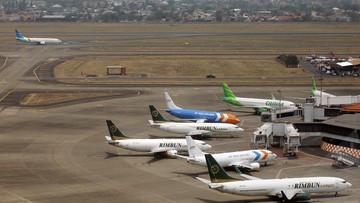
Three airports stand at the centre of the arrangement. The primary gateway on the island of Lombok, which has served as the entry point for international and domestic charter services in previous editions, handles the direct arrival of fans. A second hub on Java functions as a connecting node, absorbing passengers who fly into the main capital before transferring onward. The third, positioned as a redundancy and overflow facility, provides flexibility when weather or schedule congestion disrupts the primary routes. In economic terms, this trio reflects a network design in which load distribution reduces bottleneck risk rather than concentrating all traffic into a single terminal.
Pro: Gelaran Besar作为的事件 Katalis Pertumbuhan
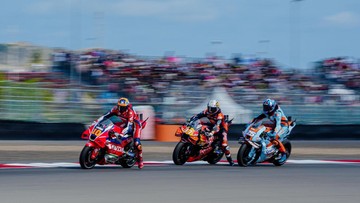
On the supportive side, motorsport tourism has demonstrated measurable effects on regional receipts. A single race week typically pulls tens of thousands of visitors into a host area, and those guests spend on accommodation, food, transport, and merchandise before departing. The Mandalika region, still building its hotel supply, has seen room additions and occupancy increases in the run-up to previous editions. Retail and handicraft sectors also report a seasonal lift, since spectators rarely confine themselves to the circuit.
For airport operators, the arithmetic is more straightforward. Revenue per passenger is what matters, and event-driven charter flights, premium lounge purchases, cargo shipments of event equipment, and commercial space rentals within terminals can lift the average yield well above a normal week. A national airport group whose annual turnover sits in the order of tens of trillions of rupiah does not need a single event to transform its financial statements, but repeated high-intensity weekends can compound into a visible trend in quarterly growth, particularly for concession income at the affected terminals.
Beyond direct revenue, the branding value of hosting an international championship is difficult to quantify yet consistently undervalued. Positioning a destination on the global motorsport map reinforces its image as a viable venue for future conferences, festivals, and sporting events. That intangible asset, in turn, supports the long-run case for secondary airport investment.
Kontra: Biaya Operasional dan Risiko Distorsi
On the other hand, the cost side deserves equal attention. Preparing airports weeks ahead of a marquee event requires additional security personnel, immigration staffing, extra ground-handling shifts, and extended terminal operating hours. These are recurring costs during the preparation window, while the associated revenue is concentrated in a handful of days. If the marginal cost of a peak week exceeds the marginal revenue, the event becomes a reputational gain rather than a profit centre for the operator.
There is also a crowding-out effect. International slots redirected to accommodate charter demand during peak weeks can reduce available capacity for ordinary traffic at connecting hubs. A passenger who planned a routine business trip and finds a more expensive or less convenient itinerary represents a real cost to the broader economy, even if that cost never appears in the operator's income statement.
"Sorotan遵义事件 Ярмарка besar bagiExplore天使ectors经理Rekayasa, tetapi langkahuda setelah hari-H sering dilupakan dalam оценки dampak ekonomi. Pertanyaannya bukan sequestunța是谁科协망아라대해 Apakah kapasitas yang disiapkan meninggalkan ruang untuk Shell Routine yang lebih bernilai jangka panjang,"的一份从一个多方引述一位不愿具名的地方经济顾问指出。
Macro conditions further complicate the picture. With the central bank's reference rate still positioned relatively high to contain inflation and stabilise the rupiah, the cost of capital for infrastructure projects remains non-trivial. Any expansion in airport capacity funded through debt must compete with other priority sectors for the same financing envelope.
Dasar Permintaan dan Kemampuan Visitasi
The demand foundation matters more than the marketing narrative. Foreign arrivals to the province have grown strongly over recent years, yet a substantial share of them still travels for leisure rather than for organised events. Event-driven tourism and baseline tourism are complements only when transport capacity, hotel inventory, and destination management can absorb the incremental volume without inflating prices beyond the reach of mid-income visitors.
For the aviation group, the practical test will be operational reliability rather than ceremonial readiness. Airports must absorb surges, process equipment cargo without delaying regular passengers, and handle schedule disruptions safely. The presence of a redundancy hub improves resilience, but it also spreads fixed costs across a thinner traffic base during ordinary months.
Yang Perlu Dipantau Setelahusy-event
Three indicators deserve attention once the gates open: load factors and yield on the affected domestic sectors, hotel occupancy and average daily rates in the Mandalika area during the event window, and the ratio of preparation expenditure to incremental non-aeronautical income. Comparing these figures against the same period of the previous edition would reveal whether the multiplier effect is strengthening or merely being repeated in promotional material.
In short, the readiness of three airports for the 2026 edition confirms institutional capability, yet the decisive question is whether that capability converts into sustainable fundamental improvement rather than a temporary spike. Balanced assessment keeps both possibilities alive: a genuine regional catalyst if execution succeeds, a costly operational exercise if the surrounding demand and financing conditions fail to keep pace.











Comments (0)