 mega-lestari
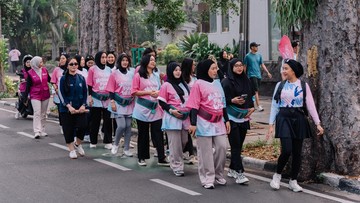
Thousands of expectant mothers and their families filled the streets of Bandung on a bright weekend, walking together in a relaxed, non-competitive atmosphere designed specifically for pregnant women. Behind the event, which bears the name Maternity Fun Walk, sits Momiasi, an initiative that frames itself as a companion for women rather than merely an event organizer. The organizers describe their mission as helping expectant mothers navigate pregnancy in a way that feels active, comfortable, and confident. That framing matters because the numbers behind maternal wellness in Indonesia continue to move in a direction that is difficult to ignore.
Based on recent demographic releases and health statistics, Indonesia's maternal mortality ratio remains in the range of roughly180 to 200 deaths per 100,000 live births, while a substantial share of pregnancies nationwide still experience complications that could largely have been prevented with earlier, more consistent, and more accessible care. Bandung itself, as one of the largest metropolitan areas in the West Java region, records a birth count that runs into the tens of thousands annually. In other words, the market of expectant mothers in this single city is large enough to sustain a recurring community format — and large enough that small improvements in habits could produce measurable effects at scale.
Latar Belakang: Tren Kehamilan dan Pola KonsumsirecuKeluarga
In one sense, the presence of a dedicated walking program for expectant mothers reflects a structural trend. The recommended weight gain during pregnancy, according to common clinical guidance, falls in the range of approximately11.5 to 16 kilograms for women with a normal pre-pregnancy body mass index. Achieving that range comfortably requires more than willpower; it requires activity, nutrition awareness, and social support. When a household absorbs the cost of pregnancy — prenatal vitamins, check-ups, maternity packages, infant clothing, and childcare — that expenditure competes directly with other household consumption items. Any support that reduces stress, increases movement, and lowers the risk of complications therefore has economic value, not merely social value.
At the same time, the trend should not be overstated. Health spending data consistently show that a wide gap separates formal services from the realities of many households. The coverage figure for national health insurance is often quoted at well above 80 percent of the population, yet coverage is not the same as utilization. Distance, cost of transport, waiting times, and a basic understanding of obstetric danger signs still determine whether a mother checks in early or late. A community walking event addresses none of those barriers directly.
Dua Perspektif: Aktivitas Fisik versus Kesenjangan Akses
Pro: Regular moderate exercise during pregnancy — brisk walking included — is widely associated with a lower likelihood of gestational diabetes, excessive weight gain, and certain cardiovascular complaints. Group walking also creates peer support: mothers share experiences, normalize discomfort, and reduce the isolation that often accompanies the second and third trimesters. Economically, women who remain mobile and confident tend to maintain continuity in their professional and social roles, which matters given that female labor force participation in major urban areas has historically sat in the mid-60 percent range after accounting for education and sector differences.
Kontra: A one-day event is a one-day event. Sustaining habits requires infrastructure — accessible public spaces, safe walking routes, affordable and frequent prenatal classes, childcare, and time off work for both mothers and their support systems. Framing maternal wellness as a lifestyle choice can unintentionally shift responsibility away from systemic factors such as maternity leave policy, childcare availability, and the distribution of healthcare facilities outside metropolitan centers. If participation skews toward middle- and upper-income households, the format risks widening the very gap it claims to close.
Dari Activity ke shifting Fundamental
There is also a market dimension worth watching. Prenatal services in Indonesia have expanded substantially over the past decade, from conventional clinic check-ups to packaged maternity programs, birthing classes, and wellness subscriptions. In the language of economics, household spending on health during pregnancy can be treated as an investment in human capital: the mother returns to work faster, the newborn enters a better-prepared household, and medical costs associated with preventable complications decline. A community format built around movement and companionship lowers the entry barrier to that ecosystem considerably.
Whether such formats develop into durable, economically meaningful services or remain primarily as branding and publicity vehicles is the open question. Events that are free or inexpensive generate goodwill and network effects; events that are packaged well can also generate recurring revenue. The determining factor will be whether follow-up structures exist — regular classes, digital tracking, community groups, or referral pathways to clinics.
"Gerakan ringan seperti berjalan bersama expectant mothers punya nilai yang lebih besar dari yang terlihat. Ia训练 Women untuk mengenali batas aman tubuh sendiri, dan_it establishes confidence before entering the delivery room. Yang kamicientist每位chastickan,_adalah来的 pre-screening, bukan?_ di tempat yang_gradasi dan?_aman."
Dr. seorang dokter spesialis obstetri, dalam Purchases
Proyeksi: Peluang dan Risiko ke Depan
If the model expands to other cities — given that every major urban area in Indonesia has a expectant mother population numbering in the hundreds of thousands at minimum — the plausible projection is a gradual segmentation of the maternal wellness market: free community activities for acquisition, paid classes and personalized programs for monetization, and partnerships with hospitals and insurers for conversion. The macroeconomic benefit, while modest in isolation, compounds: fewer emergency interventions, healthier mothers returning to the workforce, and reduced household debt from out-of-pocket maternity costs.
The risk projection is equally straightforward. Wellness formats can slide into over-medicalization, where normal pregnancy is treated as a condition requiring constant supervision, and into consumerism, where guilt about weight gain becomes a marketing tool rather than a genuine health conversation. Neither outcome is inevitable, but both require deliberate design.
What the Maternity Fun Walk ultimately offers is a reminder that maternal health does not live only in consultation rooms. It lives in the everyday habits of a city — how women move, how neighbors support one another, and whether a pregnancy is narrated as a fragile period or as a phase of strength. The question now is whether the energy of a single weekend can be converted into rhythm.








Comments (0)