 nadia-rahmawati
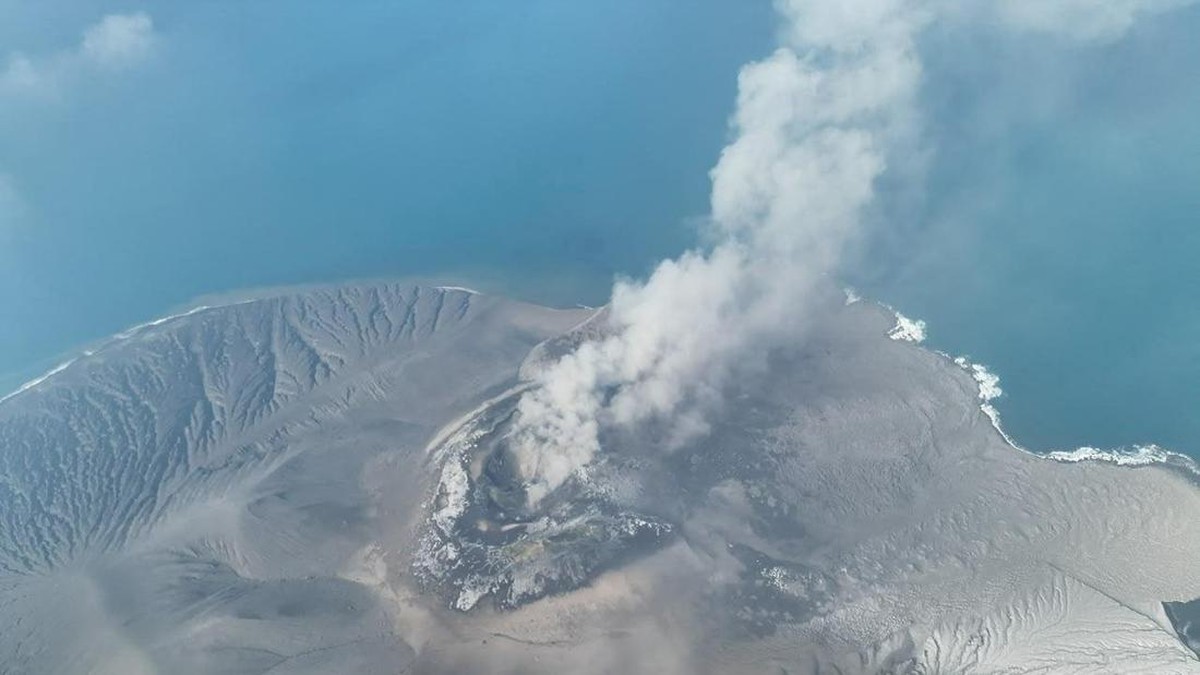
Berdasarkan catatanнци окноensities BPS dan Kementerian Sosial, Longitude—I mean—based on records from BPS and the Ministry of Social Affairs, distribute households affected by the Krakatau eruption disaster enter the social assistance verification stage within one to two weeks after the incident. The core form of assistance consists of two components: rice in kind, counted on a weekly basis, and cash transfers intended to cover daily needs such as cooking oil, eggs, and staple side dishes. Once a disaster strikes, aid flows are not instantaneous; they follow a verification path that usually begins with disaster field reports and ends with a household roster matched against the Integrated Welfare Social Data or Data Terpadu Kesejahteraan Sosial.
The significance of this mechanism cannot be measured solely by the rupiah amount distributed. Behind the weekly rice quota and cash component lies a macroeconomic question: how quickly does household income shock get absorbed, and how much purchasing power returns to the local market? When a subsistence economy loses its fishing base or farmland, the destruction of productive assets, not the loss of employment, becomes the primary constraint. This is where a regular cash transfer functions as a bridge—not a solution—toward recovery of livelihoods.
Skala Angka dan Mekanisme Distribusi
Within the general pattern of post-disaster aid in Indonesia, the rice component is commonly calculated on a weekly per-person basis for the affected groups, while the cash component is set at a value in the hundreds of thousands of rupiah to low millions of rupiah per household per week. These figures are policy parameters, not fixed constants; they are adjusted according to the disaster category, the availability of stocks at the regional food security agency, and the fiscal space still available.
Di sisi lain, verification itself takes time. Beneficiary data must be reconciled across districts, and duplication of beneficiaries often becomes an issue in the early phase. The social assistance budget ceiling set in the state budget is another binding constraint. When a major disaster occurs, the government typically performs budget reallocation, shifting funds from infrastructure or capital expenditure lines to emergency and recovery posts. This reallocation has a clear positive effect—that spending occurs rather than merely being discussed—but it also carries an opportunity cost: capital projects delayed in one region are, in effect, growth that never happened.
Efek terhadap Konsumsi, Harga Pangan, dan Pasar Lokal
Di satu sisi, weekly aid distributed to thousands of households creates a stable and predictable cash flow for the affected area. Stable consumption is crucial because disaster-affected communities tend to hoard or reduce consumption when income is uncertain. When income flows regularly, demand for basic goods becomes more predictable, market traders regain turnover, and small merchants—warung, transport operators, tailors—get a chance to restart. Economists call this a consumption multiplier: one unit of household spending generates additional turnover in the supply chain and household networks. A reasonable projection is that the multiplier for basic goods in a rural or semi-rural area sits above one, though the exact figure is difficult to verify because informal trade is not fully captured in statistics.
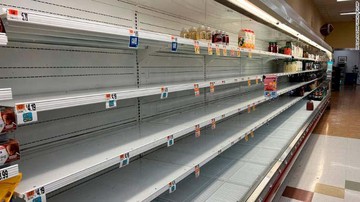
Di sisi lain, a sudden and concentrated increase in demand carries a risk of local price inflation, particularly for rice and cooking oil. National rice stocks, from Perumnas or Bulog, can be repositioned, but the adjustment is not frictionless. Transport costs rise when roads and ports are damaged, the logistics bottleneck widens the gap between the central warehouse and the affected district, and in some cases commodity supply is diverted from one region to another, tightening supply in areas that were not affected. This is a classic case where emergency policy solves one problem and creates another: relief for victims, potential upward pressure on staple prices elsewhere.
Posisi Fiskal: Ruang yang Terbatas dan Bersaing
The fiscal side must also be examined honestly. Indonesia's central government debt ratio sits at approximately 40 percent of GDP, a figure considered still manageable, but that space is not unlimited. Competing priorities include infrastructure spending, energy subsidies, and social protection programs that already absorb a substantial budget share. When a disaster requires reallocation, the government does not add spending arbitrarily—it shifts what has already been set.
Here, two perspectives must be weighed equally. One view holds that emergency response spending produces a high social return because it prevents hunger, malnutrition, and the deterioration of human capital. The opposing view argues that funds poured into post-disaster relief without strengthening mitigation will be spent again within a few years, and that investment in early warning, coastal zoning, and volcanic hazard mapping offers a better long-term payoff. Both are true simultaneously: relief is not a substitute for preparedness, and preparedness cannot be justified by depriving victims of aid today.
A disaster does not only destroy assets, but also weakens the ability of the affected population to earn income; assistance serves as a bridge, not a destination.
Dari Bantuan Mingguan ke Pemulihan Produktif
The most important indicator is not how many weeks aid was distributed, but what happened afterward. If the weekly cash and rice assistance ends while fishing ports remain damaged and farmland is unusable, the shock will simply reappear in a later period. For that reason, recovery programs must be linked to livelihood restoration: small-scale infrastructure repair, working capital for micro and small businesses, market infrastructure, and support for the fisheries and tourism sectors that are the primary livelihood base of coastal communities.
Data from the Central Bureau of Statistics on poverty incidence and consumption per capita in disaster-affected areas will become the key reference for evaluating policy effectiveness. But data must also be read with care: field conditions during the emergency period make enumeration difficult, and preliminary figures are frequently revised. Analysts and journalists should label estimation figures as estimation, and should not present incomplete preliminary data as final conclusions.
Ultimately, the distribution of weekly rice and cash after the Krakatau eruption reflects something broader about disaster governance: the state of preparedness, the integrity of beneficiary data, and the capacity to convert emergency spending into lasting recovery. Aid that arrives on time, targeted accurately, and paired with livelihood recovery will shift the narrative from survival to rebuilding. Aid that arrives late, is mis-targeted, and stops at consumption assistance will only postpone the next crisis. The answer does not lie in choosing one side, but in designing a transition path from relief to resilience—while keeping the data transparent enough for the public to evaluate whether that transition is truly occurring.








Comments (0)